
Currency guides
What identification is needed for currency exchange in Canada
The identification you may be asked for, and why money services businesses are required to ask.
- Author:
- Elysee branch desk
- Published:
- April 18, 2026
- Updated:
- August 3, 2026
- min read:
- 2
If you are preparing to visit an exchange desk, it helps to know the rules around identification for currency exchange in Canada before you arrive. Money services businesses operate under federal anti-money-laundering law, and the questions they ask are defined by regulation — not by curiosity.
Identification for currency exchange: what to bring
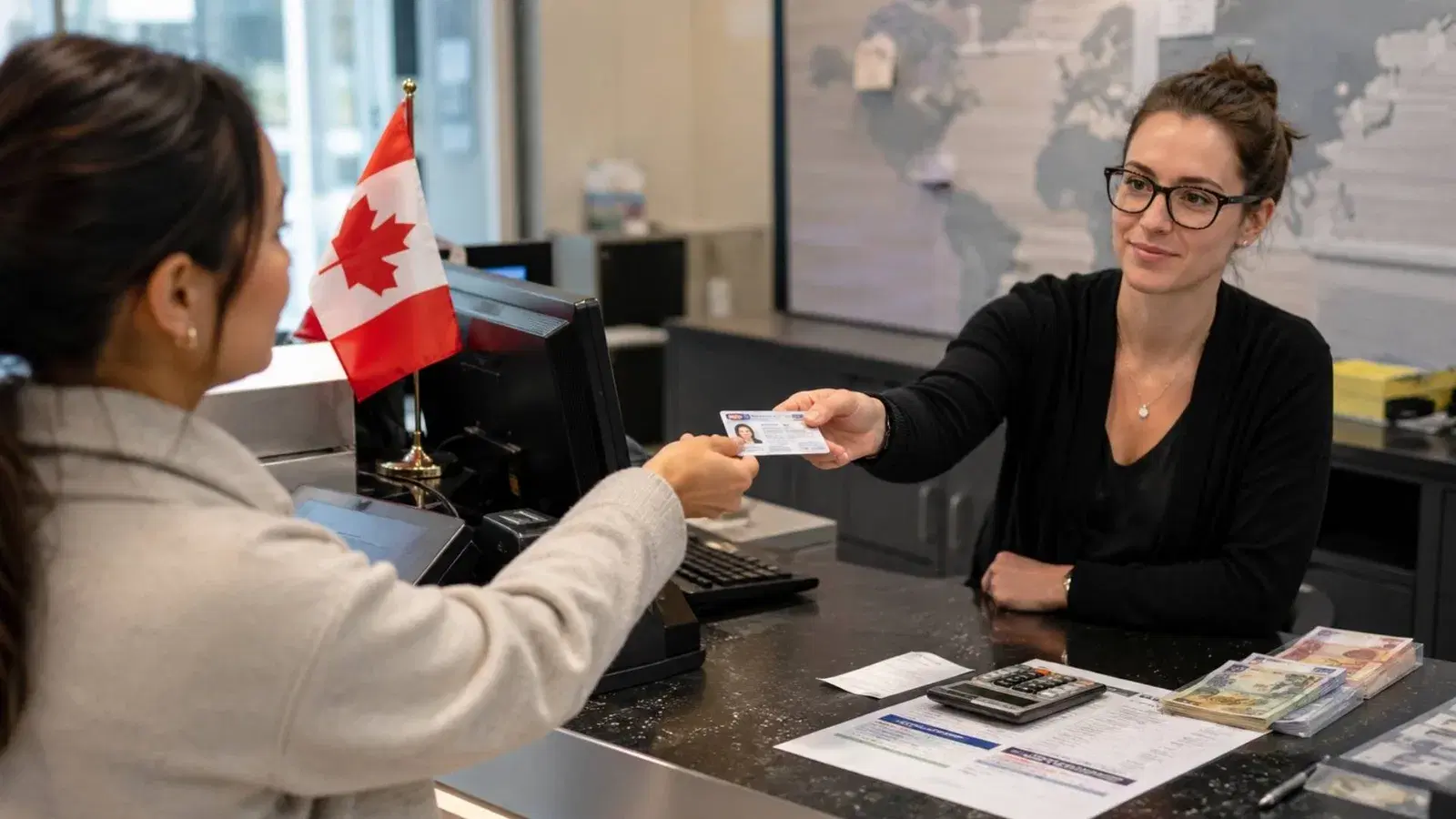
Government issued photo identification is the most reliable document to bring: a passport, driver's licence, or provincial photo card. The name on the document should match the name used for the transaction. For larger amounts you may be asked about the source of funds — a routine, regulated question, and a normal part of the process rather than a sign of suspicion.
Why the branch must ask
Exchange providers in Canada are regulated as money services businesses and registered with FINTRAC, the federal financial intelligence unit. The rules set thresholds at which identity must be recorded and reports must be filed. A branch that asks for identification at the right moments is demonstrating compliance — it is the desks that never ask that should raise questions.
Practical tips before you visit
Bring the physical document, not a photo of it — regulations generally require seeing the original. Check the expiry date, since expired identification is usually not acceptable. If the transaction is for a business, or you are acting for someone else, call ahead: additional documents may apply, and one call saves a second trip. Questions about identification for currency exchange at a specific amount are answered fastest by phone. Details are covered on our currency exchange service page.
Before you decide
- How to use this guide: this is general information — match it to your own transaction and amount, then confirm requirements with the branch.
- Details worth checking: confirm which documents apply to your amount, and read names and numbers from the original document, not from memory.
- Keep a record: keep your receipt after the exchange; for next steps, contact the Newmarket branch.